 UK
Lenses that fit the Sigma SD15
The Sigma SD15 uses the Sigma SA mount, with an APS-C sensor. We track 7 lenses made for it, from £52, with today's prices from UK retailers. Add a lens below to check whether it fits, and if you'd need an adapter.

Tick a box above to see the lenses that fit.
Direct fit lenses for the Sigma SD15
All Sigma SA Mount lenses (74)Fit straight on, with every feature working.
Zoom lenses for the Sigma SD15
Full Frame Standard Zoom Lens for Sigma SA Mount
APS-C Telephoto Zoom Lens for Sigma SA Mount
Full Frame Super Telephoto Zoom Lens for Sigma SA Mount
APS-C Telephoto Zoom Lens for Sigma SA Mount
Telephoto Zoom Lens for Sigma SA Mount
Prime lenses for the Sigma SD15
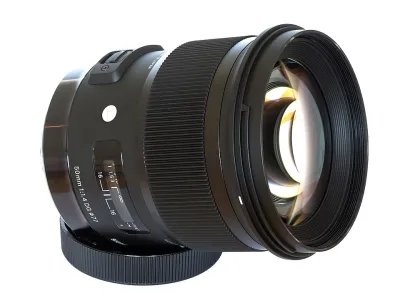
Full Frame Standard Prime Lens for Sigma SA Mount
Full Frame Standard Prime Lens for Sigma SA Mount
Lenses that fit the Sigma SD15 with an adapter
Every mount that fitsWith a simple adapter (manual focus)
Older lenses with a focus and aperture ring, on an inexpensive adapter.
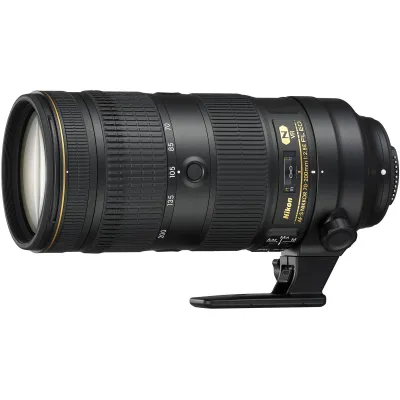
Full Frame Telephoto Zoom Lens for Nikon F Mount
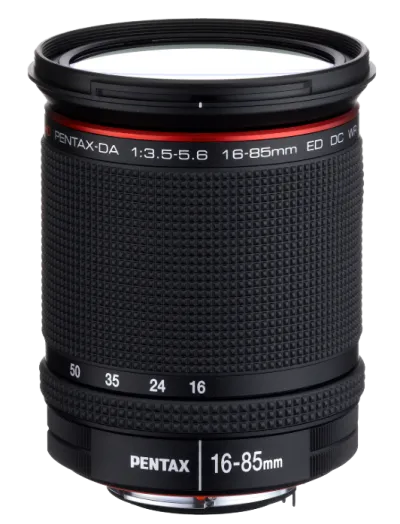
APS-C Standard Zoom Lens for Pentax K Mount
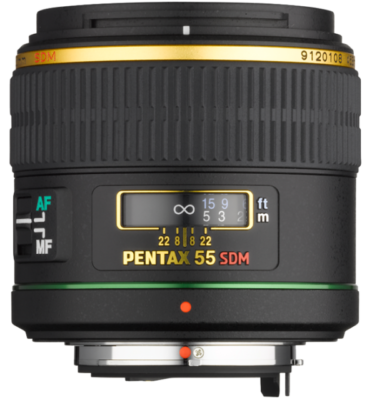
Standard Prime Lens for Pentax K Mount
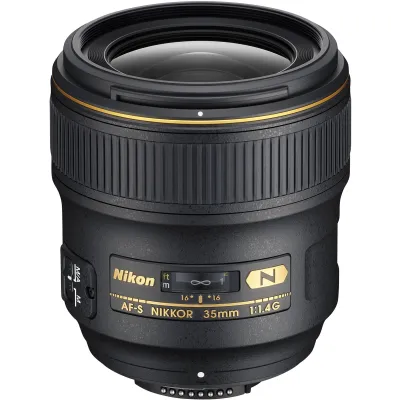
Full Frame Standard Prime Lens for Nikon F Mount

Full Frame Standard Zoom Lens for Nikon F Mount
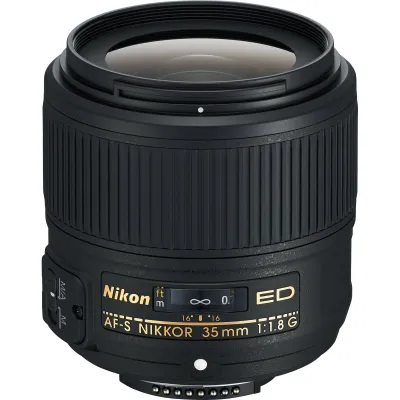
Full Frame Standard Prime Lens for Nikon F Mount
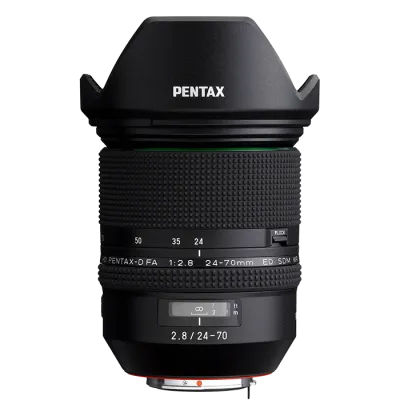
Full Frame Standard Zoom Lens for Pentax K Mount
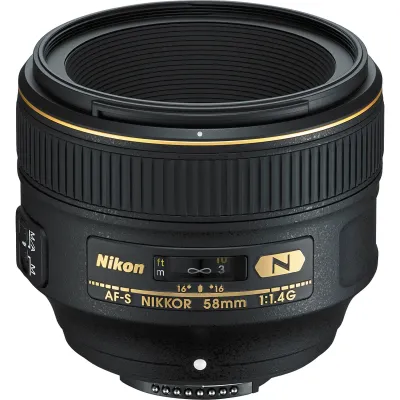
Full Frame Standard Prime Lens for Nikon F Mount
What fits the Sigma SD15
It's a Sigma SA Mount camera with an APS-C sensor. Choose a mount to see its lenses and today's prices.
Made for this camera
Fit straight on, with every feature working.With a simple adapter (manual focus)
Older lenses with a focus and aperture ring, on an inexpensive adapter.How lens mounts work
The mount is the fitting where the lens locks onto the camera, with the contacts the two talk through. Each camera system has its own: Sony E, Canon RF, Nikon Z, Fujifilm X, L-Mount and so on. A lens made for your camera's mount fits straight on. Third-party makers such as Sigma, Tamron and Samyang make the same lens in several mounts, so check you're buying the right version.
Adapters let a lens from another system fit, as long as that lens was made to sit further from the sensor than your camera's own lenses: the adapter fills the gap. That's why mirrorless cameras, with their short mounts, can take most DSLR and film lenses, but DSLRs can't take mirrorless lenses. Electronic adapters pass on autofocus and aperture control; simple ones are just a tube, so you focus and set the aperture on the lens.
Sensor size matters too. A full-frame lens works on an APS-C camera but frames more tightly (multiply the focal length by about 1.5). An APS-C lens on a full-frame camera leaves dark corners unless the camera crops the picture, which most do automatically.
Adapter advice is general: features vary between lenses and camera firmware, so check with the adapter's maker for your exact combination.